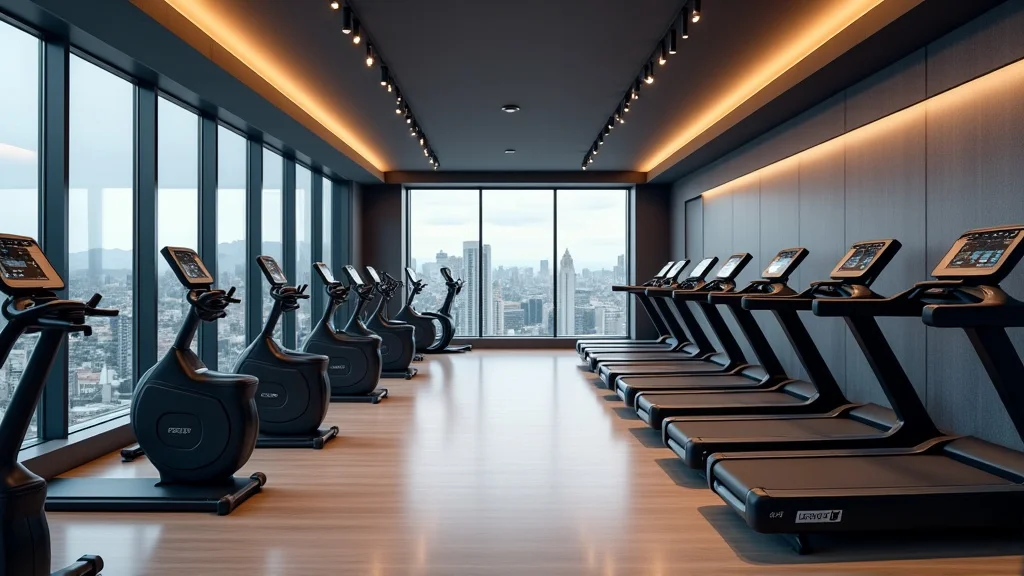
Picture this: It’s a rainy Saturday morning, and you’re itching for a workout. Instead of battling traffic to the gym, you stroll down the hall to your own personal oasis of fitness. A fitness room offers that convenience and much more. This guide explores the creation of your own exercise space. You’ll learn the essentials of planning, equipping, and maximizing your fitness rooms. Get ready to discover how to build the perfect workout haven!
Key Takeaways
- Learn the crucial steps for planning and designing a home gym.
- Discover essential equipment, from cardio machines to free weights, for your fitness room.
- Explore efficient space-saving strategies to maximize your workout area.
- Understand the importance of flooring, lighting, and ventilation in a home gym.
- Find ways to personalize your fitness room for motivation and enjoyment.
- Discover how to maintain your equipment for longevity.
Planning Your Home Fitness Room
The first step in creating a successful fitness room is careful planning. This initial phase involves thinking about your space, fitness goals, and available resources. A well-thought-out plan sets the foundation for a workout area that meets your needs and encourages consistent exercise.
Assessing Your Available Space
The size and shape of your space directly affect what you can include in your fitness room. Measure the area accurately, including the length, width, and height. Note any architectural features like windows, doors, and columns. Consider if the space is in a basement, spare bedroom, garage, or even a converted shed. Each location presents unique opportunities and challenges. A small space may necessitate multipurpose equipment, while a larger area allows for a more diverse selection.
- Measure the Area: Calculate the total square footage to determine how much equipment you can accommodate.
- Consider Ceiling Height: Ensure sufficient overhead space for equipment like treadmills or pull-up bars.
- Evaluate Natural Light: Assess the amount of sunlight the space receives, as this impacts the room’s atmosphere.
- Check Ventilation: Ensure adequate airflow to prevent overheating and moisture buildup.
- Identify Electrical Outlets: Plan where you’ll place machines that require power, and ensure enough outlets are available.
For instance, a cramped room may benefit from a folding treadmill or an adjustable weight bench that can be stored vertically. Conversely, a spacious area can include a full weight rack, a rowing machine, and a dedicated stretching zone. Good planning prevents future equipment overcrowding or layout issues.
Defining Your Fitness Goals
Before buying any equipment, clarify your exercise objectives. Are you focused on cardio, strength training, flexibility, or a combination? Your goals influence the types of machines and accessories you need. Consider your current fitness level and the type of workouts you enjoy to prevent buying equipment you won’t use. This will guide your equipment choices and create a realistic training environment.
- Cardiovascular Health: Treadmills, elliptical trainers, and stationary bikes are excellent choices.
- Strength Training: Dumbbells, barbells, weight benches, and resistance bands build muscle.
- Flexibility and Mobility: Yoga mats, foam rollers, and balance balls enhance flexibility.
- Cross-Training: Consider a combination of equipment to achieve diverse fitness goals.
- Track Progress: Incorporate a way to track your workouts and monitor your progress.
If your primary aim is to improve cardiovascular health, a treadmill or elliptical machine should be a priority. If you want to gain muscle, focus on free weights, weight machines, or a power rack. Knowing your goals makes purchasing decisions easier and avoids wasted space.
Budgeting for Your Home Gym
Creating a fitness room requires setting a budget. Costs vary greatly depending on the equipment, flooring, and additional features. Prioritize essential items first and then add extras later as your budget allows. Do thorough research, compare prices, and explore options for used or refurbished equipment to save money. This process allows you to maintain control of the project’s financial aspects and prevent overspending.
- Equipment Costs: Allocate the majority of your budget to machines and weights.
- Flooring: Budget for appropriate flooring to protect your floor and absorb impact.
- Accessories: Include accessories like mirrors, storage solutions, and entertainment systems.
- Installation: Factor in any installation fees for flooring or equipment assembly.
- Contingency Fund: Set aside a small amount for unexpected expenses.
For example, if you’re on a tight budget, look for used equipment in good condition. You can also start with basic essentials, such as a set of dumbbells, a yoga mat, and resistance bands. Gradually add more equipment over time as your budget expands. Careful budgeting is crucial for creating a functional and enjoyable home gym without financial stress.
Choosing the Right Equipment for Your Fitness Room
Selecting the right equipment is key to a functional and enjoyable fitness room. The equipment you choose should align with your fitness goals, space constraints, and budget. There’s a wide variety of equipment, from cardio machines to strength training tools and accessories. Each machine and piece of equipment has its own advantages and should be selected based on the user’s needs and preferences.
Cardio Machines
Cardio machines are essential for improving cardiovascular health and burning calories. Popular options include treadmills, elliptical trainers, stationary bikes, and rowing machines. These machines offer various features and benefits. Consider your preferred exercise style, space availability, and budget when making your decision.
- Treadmills: Provide a realistic running experience and allow for interval training.
- Elliptical Trainers: Offer a low-impact workout, reducing stress on joints.
- Stationary Bikes: Provide a simple, efficient way to exercise, ideal for all fitness levels.
- Rowing Machines: Work both the upper and lower body, offering a full-body workout.
- Consider Features: Look for machines with adjustable resistance, pre-programmed workouts, and heart rate monitoring.
For instance, a treadmill provides the ability to simulate outdoor running, complete with incline and speed settings. Elliptical trainers are a good option for people with joint pain, and stationary bikes offer a low-impact workout that’s easy on the knees. Make sure the cardio equipment you select is comfortable and suitable for your workout style.
Strength Training Equipment
Strength training equipment builds muscle, improves bone density, and boosts metabolism. There are different types of weight training. These options allow for versatile routines at different intensities. Consider free weights, weight machines, and resistance bands to meet your strength goals.
- Dumbbells: Offer versatility for a range of exercises targeting different muscle groups.
- Weight Machines: Provide guided motions, ideal for beginners or those seeking isolation exercises.
- Barbells and Weight Plates: Allow for heavy lifting and compound exercises like squats and deadlifts.
- Resistance Bands: Offer a portable, affordable option for strength training and stretching.
- Power Racks: Enhance safety and versatility for advanced exercises.
Dumbbells are a versatile and cost-effective option for building muscle in various exercises. Weight machines are safer for beginners and focus on specific muscle groups. Barbells enable heavy lifting for major compound exercises. Resistance bands provide portable resistance for travel or home workouts. The equipment should align with your strength training goals and skill level.
Accessories and Essential Items
Accessories play a role in optimizing the functionality and enjoyment of your fitness room. These include flooring, mirrors, storage solutions, and entertainment options. Appropriate accessories enhance safety, convenience, and motivation. Consider how they’ll help you exercise more effectively and efficiently.
- Flooring: Choose durable, shock-absorbing flooring to protect your floors and reduce noise.
- Mirrors: Allow you to monitor your form and technique.
- Storage Solutions: Keep your space organized.
- Music System: Create a motivational environment.
- Workout Bench: Support various exercises.
Rubber flooring or foam tiles are great for absorbing impact and protecting your floor from damage. Mirrors allow you to monitor your posture and technique. Storage racks and shelves keep your weights, bands, and other gear organized and out of the way. A music system or TV will provide entertainment. These extras can transform your fitness rooms into a functional and inspiring workout space.
Maximizing Space in Your Home Fitness Room
Space-saving strategies are important for making the most of your fitness room. Whether your space is large or small, efficient use of space improves functionality and comfort. Careful organization, thoughtful equipment choices, and innovative storage options allow you to achieve the greatest possible impact from your exercise space.
Efficient Layout and Organization
An effective layout is important for optimizing the space in your fitness room. Careful organization improves flow, maximizes space, and enhances the workout experience. Strategically arranging equipment and incorporating storage solutions can transform any space into a functional and enjoyable workout area. Make sure your design supports your exercise activities.
- Create Zones: Designate specific areas for cardio, strength training, and stretching.
- Leave Space: Allow at least 2-3 feet of clearance around each piece of equipment.
- Use Mirrors Strategically: Place mirrors on walls to visually expand the space.
- Employ Vertical Storage: Utilize wall-mounted shelves, racks, and hooks to store equipment.
- Consider Adjustable Equipment: Equipment like adjustable benches and racks save space.
Creating zones separates different types of exercise and provides a logical flow within your workout area. Adequate clearance around equipment is essential for safety and comfort. Mirrors help make the space feel larger. Wall-mounted storage keeps the floor clear of clutter. Consider investing in folding or multi-functional equipment.
Choosing Space-Saving Equipment
Selecting equipment with space-saving features is essential for smaller areas. Multi-functional machines, folding equipment, and compact accessories help maximize the usable space. Prioritize equipment that provides diverse workout options while minimizing its footprint. This allows you to achieve your fitness goals without sacrificing valuable space.
- Folding Treadmills: Easily fold up and store when not in use.
- Adjustable Dumbbells:
- Multi-Gyms: Combine several exercise stations into one compact unit.
- Resistance Bands and Tubes: Offer a portable, space-efficient alternative to free weights.
- Wall-Mounted Storage: Utilize vertical space to organize equipment.
Folding treadmills and adjustable dumbbells are examples of equipment that can be stored out of the way when not in use. Multi-gyms combine multiple exercise options into a single unit. Resistance bands and tubes offer compact alternatives to free weights. Wall-mounted storage solutions, such as shelves or racks, maximize vertical space. Such equipment helps you optimize space in your fitness room.
Incorporating Multi-Purpose Equipment
Multi-purpose equipment provides versatility and space efficiency by combining multiple functions. Multi-gyms, weight benches with attachments, and adjustable equipment offer multiple workout options from a single piece of equipment. Using multi-purpose equipment enables you to create a complete workout space in a smaller area. They are very useful in small fitness rooms.
- Multi-Gyms: Combine resistance training stations and cardio options in a single unit.
- Adjustable Weight Benches: Support various exercises and incline angles.
- Power Racks with Attachments: Allow for squats, pull-ups, and other exercises in one unit.
- Balance Boards and Bosu Balls: Enhance core strength and stability.
- Resistance Bands with Door Anchors: Offer a variety of exercises using a single attachment.
Multi-gyms often combine various weight machines, such as chest presses, lat pulldowns, and leg extensions, to provide a full-body workout. Adjustable weight benches offer various angles for chest presses, shoulder exercises, and ab workouts. Power racks can be combined with attachments to support many different types of exercises. Such equipment expands your exercise options while conserving space.
Creating a Functional and Enjoyable Environment
Creating a motivating and comfortable environment is crucial for making the most of your fitness room. Lighting, ventilation, flooring, and personal touches can significantly influence your workout experience and encourage regular exercise. Designing your space involves more than just equipment. It also involves creating an atmosphere that promotes both functionality and enjoyment.
Flooring, Lighting, and Ventilation
Key elements like flooring, lighting, and ventilation impact your home gym’s function and comfort. The proper flooring protects both the floor and your body, while the lighting enhances visibility and mood. Ventilation controls temperature and air quality. Prioritizing these elements is key to a comfortable, functional workout space.
- Flooring: Install rubber tiles or mats to protect the subfloor and reduce noise.
- Lighting: Incorporate a combination of natural and artificial lighting.
- Ventilation: Ensure adequate air circulation to prevent overheating and moisture buildup.
- Temperature Control: Maintain a comfortable temperature, and add a fan or air conditioner.
- Soundproofing: Minimize noise.
Rubber flooring is good for reducing impact and protecting your floor from damage. A blend of natural light and adjustable artificial lighting will enhance visibility and create a pleasant atmosphere. Proper ventilation, whether through windows, fans, or an air conditioning system, can improve air quality and prevent overheating. These design components will improve the usability and enjoyment of your workout space.
Adding Personal Touches and Motivation
Personalizing your fitness room is important for creating a motivational and enjoyable space. Incorporate items that inspire you, reflect your interests, and make you feel comfortable. These elements will improve your workout experience and encourage consistency. Personalizing the space transforms it from a simple workout area to a haven that reflects you.
- Mirrors: Check your form and create the illusion of a larger space.
- Music System: Set the mood and provide entertainment.
- Motivational Quotes: Encourage and inspire your workouts.
- Personal Photos: Remind you of your fitness goals.
- Organized Storage: Keep your space tidy and easy to use.
Mirrors allow you to monitor your form and make the space feel larger. A music system or a TV is a great addition for entertainment. Posters of favorite athletes, motivational quotes, and personal photos will inspire and motivate you. Organized storage helps maintain a tidy and functional space. Including these personalized elements will help you stick to your fitness goals.
Maintaining and Cleaning Your Equipment
Maintaining and cleaning your equipment is critical for its longevity and performance. Regular maintenance prevents equipment breakdown, ensures safety, and preserves its value. Routine cleaning and maintenance practices will keep your equipment in top condition and allow you to fully enjoy your home gym.
- Wipe Down Machines: After each use to prevent sweat buildup.
- Inspect Equipment: Regularly check for signs of wear and tear.
- Lubricate Moving Parts: Follow manufacturer’s instructions for maintenance.
- Deep Clean: Schedule deep cleans to maintain equipment hygiene.
- Replace Worn Parts: Address any problems immediately to avoid further damage.
Wiping down machines after each use is vital to prevent the accumulation of sweat and bacteria. Regularly inspect equipment, and tighten any loose screws, bolts, or cables. Lubricate moving parts and follow manufacturer’s instructions for maintenance. Schedule regular deep cleaning to remove dirt and grime. Address any issues or wear as soon as you see them. These practices ensure equipment function and safety.
Common Myths Debunked
Myth 1: You need a lot of space to have a home gym.
Reality: You can create a functional workout space with limited space. Utilize multi-purpose equipment, vertical storage solutions, and efficient layouts to maximize the use of a smaller area. Focus on essential equipment. The room doesn’t have to be big for you to have a good workout.
Myth 2: Home gyms are too expensive to set up.
Reality: Setting up a home gym does not require breaking the bank. You can start with basic equipment and gradually add more items as your budget allows. Exploring options like used or refurbished equipment, DIY solutions, and cost-effective accessories helps reduce expenses. Careful planning allows you to create a home gym without excessive costs.
Myth 3: You have to spend hours exercising to see results.
Reality: You don’t need to spend hours each day to notice progress. Even short, effective workouts can lead to significant changes in your fitness. Incorporating high-intensity interval training, bodyweight exercises, or targeted routines into your schedule can produce results in a reasonable amount of time.
Myth 4: Home gyms are only for serious athletes.
Reality: Home gyms are for people of all fitness levels and backgrounds. Whether you’re a beginner or an experienced athlete, a home gym offers a convenient and accessible way to exercise. You can customize your workouts to suit your current fitness level and personal goals.
Myth 5: It’s hard to stay motivated when working out at home.
Reality: While it is a legitimate concern, there are many strategies for staying motivated. Establishing a regular workout schedule, setting achievable goals, incorporating a variety of exercises, and personalizing your workout space with motivational elements can help increase your chances of success. A carefully curated workout area is the key to creating a space you look forward to exercising in.
Frequently Asked Questions
Question: How do I choose the right flooring for my fitness room?
Answer: Select flooring materials such as rubber tiles, foam mats, or interlocking flooring. Consider impact absorption, durability, and ease of cleaning.
Question: What’s the best way to maintain my cardio equipment?
Answer: Clean the equipment after each use, lubricate moving parts regularly, and check for wear and tear.
Question: How can I keep my home gym organized?
Answer: Use storage solutions such as racks, shelves, and hooks. Organize equipment based on type and use.
Question: What if I don’t have a lot of space?
Answer: Opt for space-saving equipment. Use vertical storage and design a layout that maximizes the area.
Question: How can I make my home gym more enjoyable?
Answer: Add personal touches. Incorporate music systems, mirrors, and motivational elements.
Final Thoughts
Creating a fitness room is a satisfying investment in your health and well-being. By thoughtfully planning your space, selecting the right equipment, and optimizing the layout, you can build a workout environment that meets your fitness needs. Remember to consider your goals, available space, and budget. Prioritize the equipment you need and build from there. Don’t forget to focus on flooring, lighting, and ventilation to create a comfortable and motivational setting. With proper design, you can enjoy a personal space for exercise. Start by taking action. Measure your space, define your goals, and begin assembling your dream workout area. Your future self will thank you for taking the first step!